Our Blog

Invisalign® and Invisalign Teen® Make You Smile

April 24th, 2018

Many adults and teens in our Chicago, IL office would love to have their teeth straightened but are unwilling to go through the long and often embarrassing process of wearing traditional metal braces. Invisalign® and Invisalign Teen® clear aligners offer the perfect solution: They’re the most advanced clear aligner systems in the world!

If you’re considering getting braces, there are several reasons why you might want to consider Invisalign clear aligners. Here are some of them:

  • You can eat whatever food you like, without worrying about it catching in wires or breaking brackets.
  • People won’t likely be able to tell you’re wearing them!
  • The aligners can be removed at any time.
  • You can brush and floss as you normally would, which helps to maintain better overall oral health.
  • Invisalign aligners are made of a smooth BPA-free plastic and are more comfortable to wear than traditional braces. You’ll need to visit our Chicago, IL office less often: only once every six weeks or so.
  • With Invisalign Teen, you’ll receive up to six replacements for lost or broken aligners.

Before starting treatment, you’ll have a consultation with Dr. Karen Seder to see if Invisalign or Invisalign Teen treatment is right for you. After that, you’ll have X-rays, pictures, and impressions taken of your teeth.

That information will be used to make the 3D models of your teeth that let Dr. Karen Seder see how they will move throughout the entire treatment and approximately how long it will take.

You’ll receive your aligners based on the treatment plan we recommend. You’ll get a new set of aligners every two weeks. All you need to do is wear your aligners 22 hours a day and you’ll be on your way to a straighter smile in no time!

Ask a member of our Chicago, IL team for more information about Invisalign clear aligners today!

Play Sports? Use Mouthguards.

April 17th, 2018

Dr. Karen Seder and our team recommend always wearing a protective mouthguard to participate in most physical sports. We especially encourage this if you have braces that can potentially cut your mouth or cause damage to your teeth. You have various choices to consider when you’re looking for a protective mouthguard.

One option is a full facial guard, which is often used for contact sports, such as football or hockey. This type offers full protection of the face from external impact. You should also consider an additional mouthguard to protect yourself from cuts inside your mouth, and avoid possible damage to your braces.

Boil-and-bites are another version of mouthguard that can be used for more physical sports. This type is used just the way its name implies: You warm the mouthguard in water to soften the material, then bite down gently once it’s at the correct temperature to form it into the shape of your mouth. These are fine to use temporarily, but they don’t always provide the best protection if they don’t fit properly.

Another option is to have Dr. Karen Seder make a custom mouthguard for you. The mouthguard will be designed with built-in layers to protect both your teeth and braces when it’s worn. Having Dr. Karen Seder create a custom-fitted mouthguard will ensure optimal protection and a comfortable fit whenever you participate in physical activities.

Protecting your teeth and braces is essential when you compete in sports. Accidents happen, and having a preventive mouthguard can potentially save you from oral pain and damaged braces. Our Chicago, IL office is happy to assist you in creating a custom-made mouthguard for any sports activities you want to pursue.

If you’ve experienced a mouth injury that has caused damage to your braces, please contact us immediately so we can fix the problem right away. Remember, prevention is key when it comes to your oral health!

Taking Care of Your Toothbrush

April 10th, 2018

Did you know your toothbrush could be covered with almost ten million germs? We know … it’s gross! That’s why you should know how to store your toothbrush properly, and when it’s time to replace it.

If you need to brush up on your toothbrush care knowledge, we’ve got you covered so brushing will always leave you feeling squeaky clean.

Keeping a Clean Toothbrush

Your mouth is home to hundreds of types of microorganisms, so it’s normal for some of them to hang onto your toothbrush after you’ve used it. Rinsing your brush thoroughly with water after each use can get rid of leftover toothpaste and food particles that cling to the bristles. Some dentists suggest soaking your toothbrush in mouthwash every now and then can help reduce the amount of bacteria further.

Store your toothbrush in a cool, open environment away from the toilet or trash bin to avoid airborne germs. Closed containers should be avoided because they provide a warm, wet habitat that bacteria love to grow in.

If you have multiple people sharing one sink, an upright holder with different sections will keep everyone’s brushes separated and avoid cross contamination. In addition, we would hope this is a no-brainer, but please don’t share toothbrushes!

Microwaves and dishwashers are not suitable tools for cleaning a toothbrush, because brushes aren’t built to last through this kind of treatment. If you want a really clean toothbrush, your best option is simply to buy a new one.

Replacing Your Toothbrush

The American Dental Association recommends you replace your toothbrush every three to four months, or sooner depending on individual circumstances. Dr. Karen Seder and our team agree. If you have braces, tend to brush too strongly, or the bristles become frayed, it’s time for a new brush.

Children will also need replacement brushes more frequently than adults. If you or your child has been sick, you should replace the toothbrush immediately to avoid re-exposing yourself to illness.

Worn-out brushes are not only unsanitary, they don’t do a good job cleaning teeth. Bristles that are worn out and dull won’t scrape away plaque and bacteria as well as a fresh toothbrush can.


Though the idea of ten million germs can be worrisome, if you take a few small precautions, you may ensure your toothbrush stays in good shape. And the cleaner the toothbrush, the cleaner the smile!

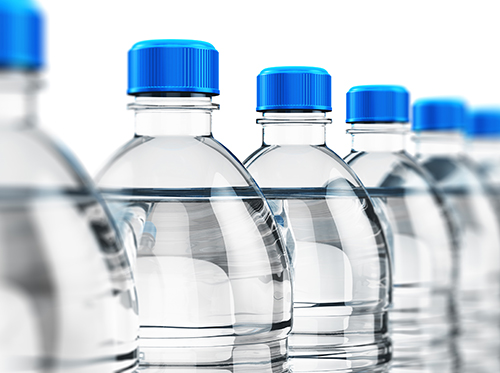
Bottled Water: Friend or Foe?

April 3rd, 2018

Some people choose bottled water over tap because they think it’s cleaner. Some do it out of convenience: It’s easy to grab a bottle of water to take with you for the day as you run out the door or hop in your car.

Whatever the reason, bottled water has been coming in ahead of tap water for the last couple of years. What many people may not know is that choosing bottled water over tap can actually be detrimental to your dental health.

Most brands of bottled water fail to include a vital ingredient: fluoride. Fluoride plays an important role in helping maintain good oral health because it helps strengthen our teeth. Stronger teeth mean a lower chance of tooth decay, and who doesn’t want that?

When we choose bottled water over tap water, we deprive our pearly whites of something they might very well need.

The good news is that the American Dental Association has endorsed both community water fluoridation and products that contain fluoride as a safe way to prevent tooth decay. If bottled water happens to be the preference for you or your family, you don’t necessarily have to force everyone to start drinking tap water.

Just check the label and make sure the brand you purchase contains fluoride.

It’s essential to remember that switching up the water you drink isn’t going to put you on the fast track to perfect teeth, though. Flossing and brushing three times a day is vital!

If you have any questions about fluoride or your dental health, don’t hesitate to ask Dr. Karen Seder at our Chicago, IL office!

Schedule a Complimentary Consultation

Top
Contact Us!
call email